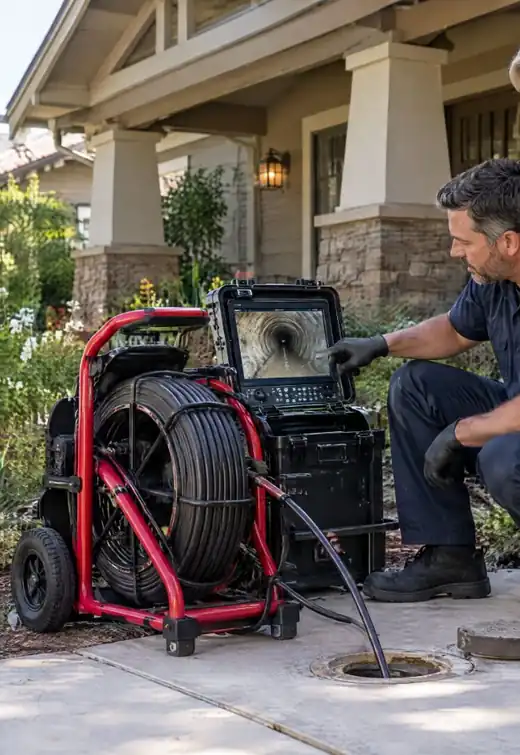
Trenchless Sewer Replacement
Sewer Pipe Bursting in Pasadena
Ask whether pipe bursting fits your damaged sewer line. Get a Free Estimate
Trenchless Sewer Replacement
Ask whether pipe bursting fits your damaged sewer line. Get a Free Estimate
Sewer pipe bursting is used when an existing sewer needs to be replaced rather than simply rehabilitated. Instead of excavating along the full route, the process uses access points to break or displace the old pipe while pulling new sewer pipe into the same general underground path.
This approach can be useful for sewer lines that have significant deterioration, repeated root problems, extensive cracking, or conditions that make an interior liner less appropriate. It can also provide a new replacement pipe while limiting disturbance to yards and hardscape. Site conditions still matter. Pasadena Sewer Repair evaluates depth, access, the existing sewer route, nearby utilities, connections, and the type of old pipe before recommending bursting.
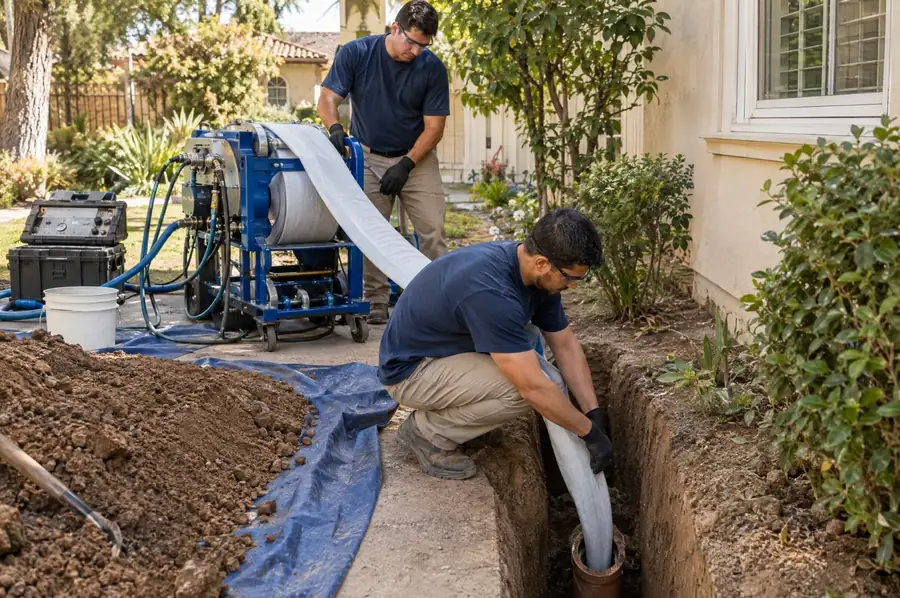
A sewer can reach a point where preserving the existing pipe is no longer the best objective. The line may have too many defects, the host pipe may be too deteriorated for lining, or the owner may prefer replacement along a larger section. Pipe bursting is designed for these situations, but it still requires workable access and an existing path that can be used safely for the replacement.
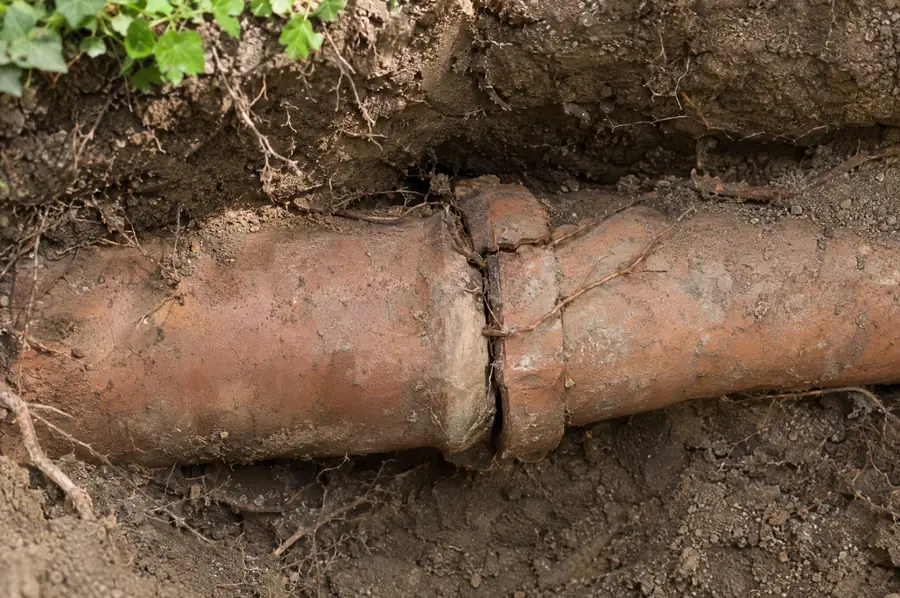
When the existing sewer contains widespread cracking or material deterioration, replacement may offer a more practical long-term approach than trying to rehabilitate multiple defects.
Roots can repeatedly enter older sectional pipe through numerous joints. Replacing the line with a new continuous run can remove many of the vulnerable openings found in the old system.
Clay sewer lines are common around older Los Angeles-area properties. Bursting can be an option when the clay line follows a usable route but has reached the point where replacement makes more sense than repair.
Where a sewer crosses finished landscaping, hardscape, or other areas that would be costly to open continuously, pipe bursting may reduce the excavation footprint compared with conventional trenching.
When several defects are spread across the same run, replacing that section can address the system as a whole instead of treating one crack or joint at a time.
| Service | Estimated Cost | Average |
|---|---|---|
| Short residential bursting project | $6,000-$10,000 | $8,000 |
| Typical sewer pipe bursting | $9,000-$17,000 | $13,000 |
| Long, deep, or difficult-access replacement | $15,000-$25,000+ | $20,000 |
Planning ranges vary considerably. Length, depth, pipe diameter, access pits, soil, utility conflicts, connections, surface restoration, and the existing sewer layout can all affect final pricing.
We explain why the condition of the line points toward replacement rather than lining or a smaller repair.
Trenchless does not mean excavation-free. We identify where access is needed and aim to keep those areas focused.
The behavior of clay and other older pipe materials matters when planning a bursting project, so the existing system is considered before the method is selected.
Customers receive a straightforward explanation of the proposed method, site considerations, and why bursting is being considered.
If your sewer is too damaged for a simple repair, pipe bursting may provide a trenchless path to replacement.
Free — no obligations
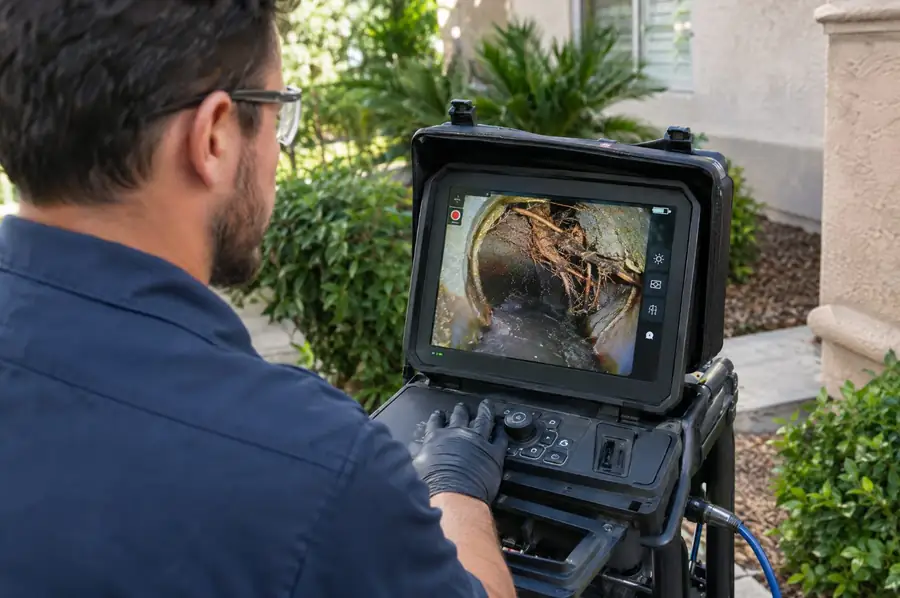
We review the sewer's condition, material, depth, direction, and known connections.
Entry and receiving areas are selected around the property and existing sewer layout.
The sewer route and connections are prepared so the replacement can follow the intended path.
The old pipe is displaced while new replacement pipe is pulled through the route.
Required connections are completed and disturbed access areas are addressed as part of project closeout.