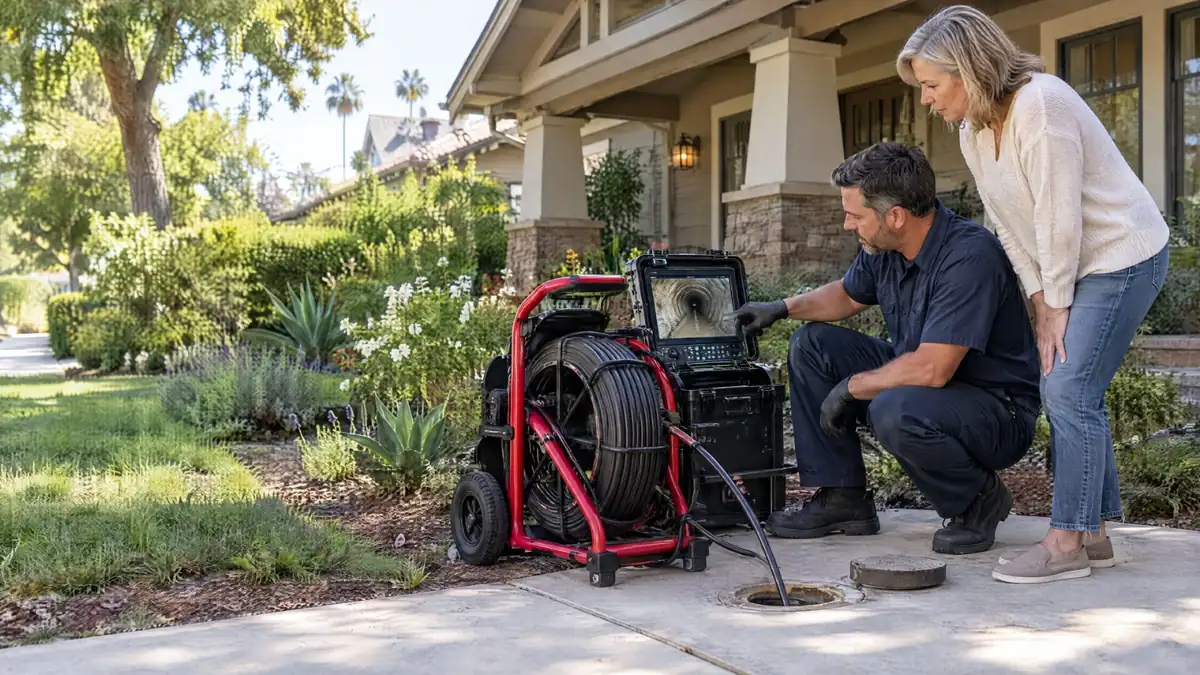
Older Sewer Line Replacement
Clay Sewer Pipe Replacement in Pasadena
Get options for an aging or damaged clay sewer line. Get a Free Estimate
Older Sewer Line Replacement
Get options for an aging or damaged clay sewer line. Get a Free Estimate
Clay sewer pipe is common around older Southern California properties. It can remain in service for many years, but the individual pipe sections and joints can become vulnerable to cracking, settlement, root intrusion, and movement. A clay sewer does not need replacement simply because it is old. Replacement becomes worth considering when deterioration is widespread or recurring problems show that the system is no longer dependable.
Pasadena Sewer Repair evaluates whether the affected line can be rehabilitated or whether replacing the damaged run is the more sensible approach. When site conditions allow, trenchless techniques can reduce the amount of excavation required to install a new sewer line.
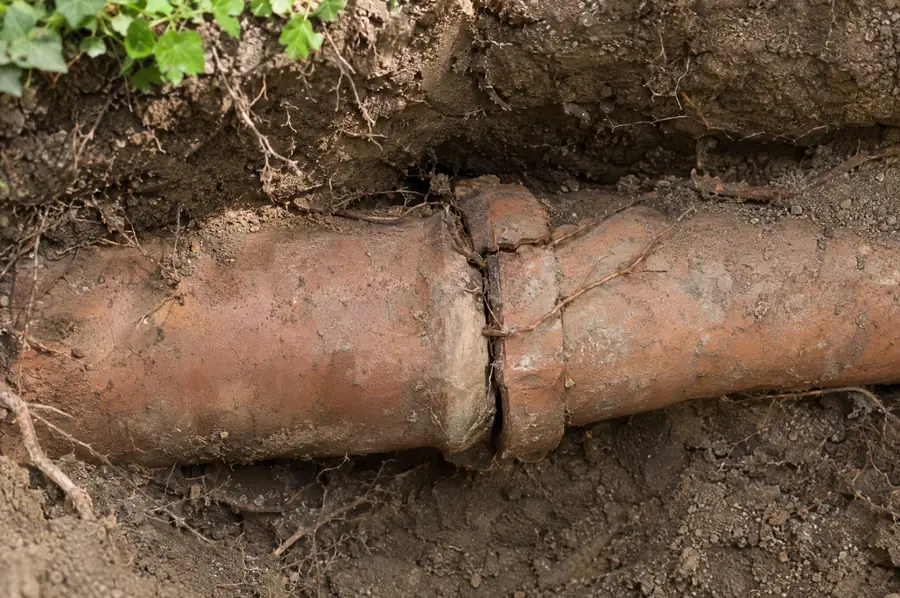
The weak point of an aging clay sewer is often not one dramatic failure but the accumulation of smaller problems. Joints can separate. Roots can enter in several places. Pipe sections can crack or shift. Low areas can collect water and debris. Once these conditions become extensive, repeatedly clearing or repairing isolated spots may no longer be the best use of the property owner's money.
Clay sewer lines contain frequent joints, creating multiple potential root-entry locations when seals deteriorate or pipe sections shift.
Individual clay sections can crack under soil movement, age, or external stress. The number and location of cracks help determine whether rehabilitation or replacement is more appropriate.
When adjoining pipe sections move out of alignment, they can obstruct flow and create edges that collect debris. Severe offsets can also affect whether lining is feasible.
A line with numerous defects across a long run may be a stronger candidate for replacement than a series of separate repairs.
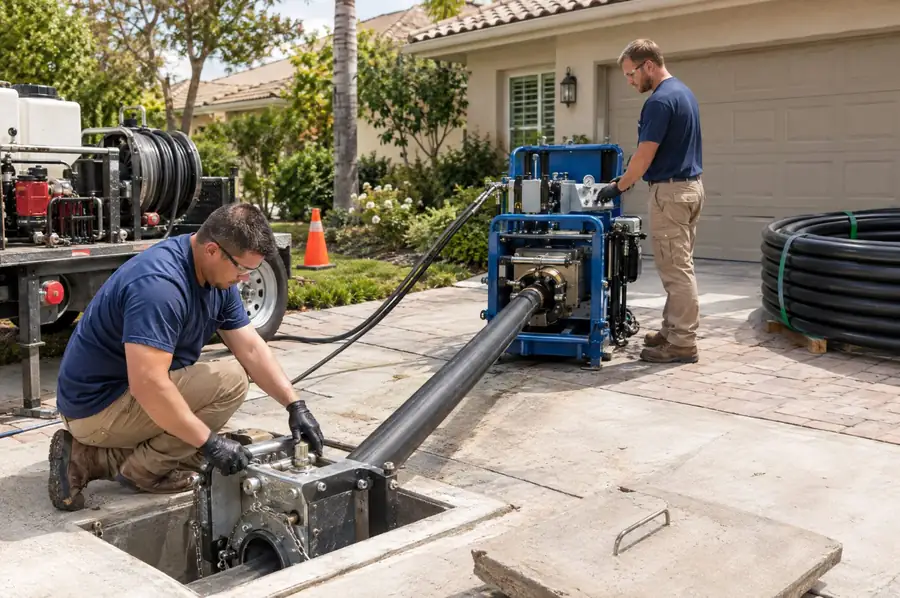
Where the existing route and site conditions allow, pipe bursting or another limited-access method may replace clay pipe while reducing the need to excavate across the full property.
| Service | Estimated Cost | Average |
|---|---|---|
| Short clay pipe replacement | $5,000-$9,000 | $7,000 |
| Typical residential clay sewer replacement | $9,000-$18,000 | $13,500 |
| Long, deep, or complex clay sewer project | $16,000-$30,000+ | $23,000 |
These figures are broad planning estimates. Length, depth, access, pipe diameter, soil, utility conflicts, connections, required excavation, and restoration can substantially change a project's final cost.
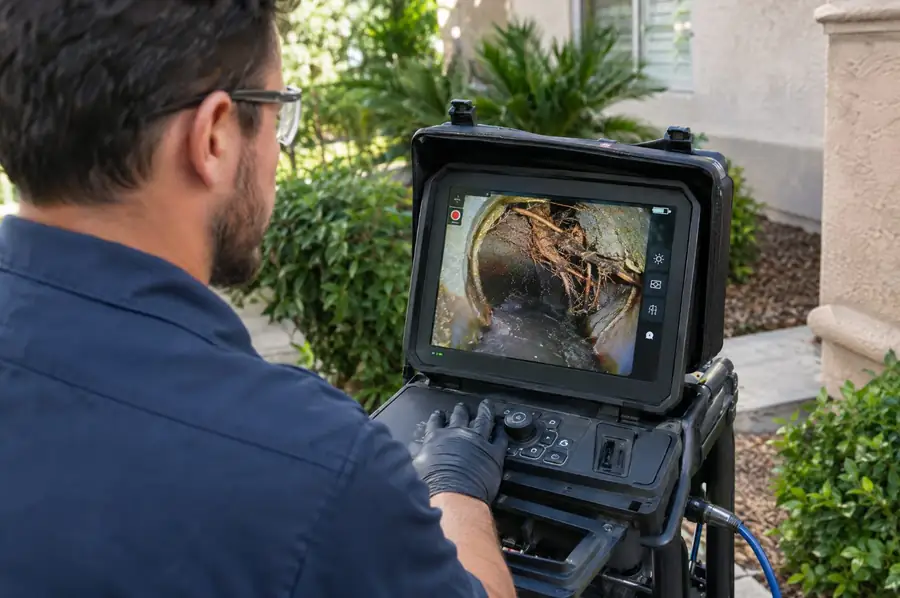
Our trenchless services are built around the types of defects commonly found in older jointed sewer systems.
Condition matters more than the date the line was installed. We consider the actual damage and recurring service history before discussing replacement.
Where a replacement is needed, we look at whether the existing route can support a reduced-excavation method.
Older neighborhoods often combine aging utilities with mature landscaping and established hardscape, so access and restoration matter.
If an older clay sewer keeps causing backups or root problems, we can help you compare repair and replacement options.
Free — no obligations
We look at the pattern of cracks, joints, root entry, offsets, and deterioration across the affected sewer.
If the existing route is still suitable for lining, that option may be considered. Widespread structural failure can point toward replacement.
Access, depth, pipe route, surrounding utilities, and surface conditions influence whether trenchless replacement is practical.
The replacement line is installed using the selected approach and connected to the remaining sewer system.
Connections, access areas, and the completed sewer route are reviewed as the project is finished.